






NEWS
Categories List
Recent Posts
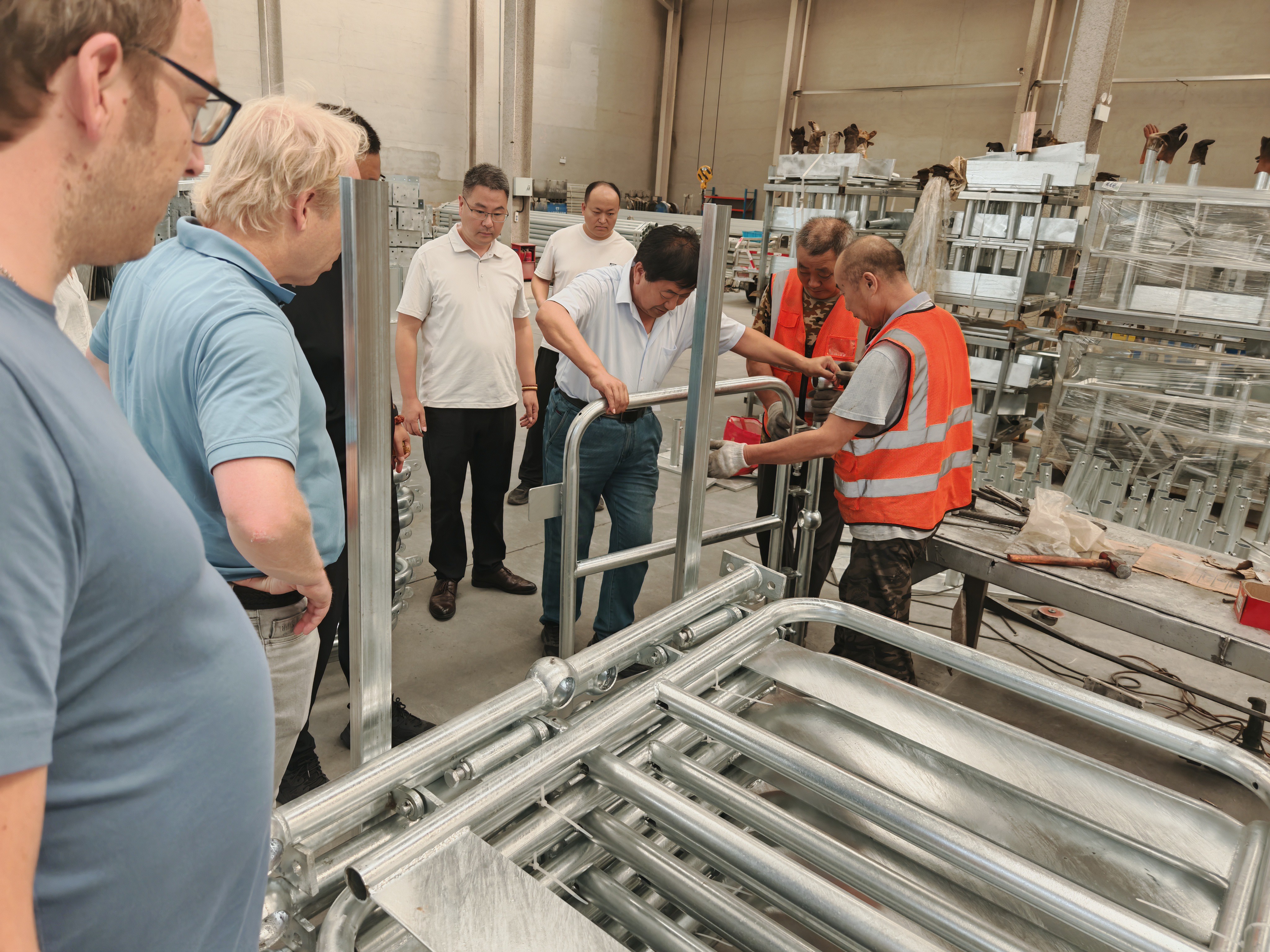
 Netherlands Client Delegation Visits Our Factory to Advance European Highway Guardrail CooperationOct 10, 2026
 AASHTO M180 Guardrail Requirements: A Practical Guide to Material ComplianceOct 10, 2026
 Port Safety Barriers: Selecting Protection for Vehicle Lanes and Loading AreasOct 10, 2026
Highway Guardrail Specifications Explained
Understanding highway guardrail specifications is essential for choosing safe, durable, and compliant roadside protection systems. In transportation projects, the guardrail is not just a steel barrier at the road edge. Its profile, thickness, coating, post spacing, end treatment, and installation details all affect how the system performs in a real vehicle impact and how much attention it will need over its service life.
That is why engineers and contractors usually do not evaluate guardrails by appearance alone. They look at whether the system matches the road class, design speed, embankment condition, median layout, and applicable standard. A guardrail that is adequate for a rural shoulder may not be suitable for a bridge approach, and a specification that works in one market may need adjustment in another.
What a guardrail specification really includes
When people ask for “highway guardrail specifications,” they often mean more than one thing. In practice, the specification package usually combines product geometry, material requirements, surface protection, fabrication tolerances, and installation rules.
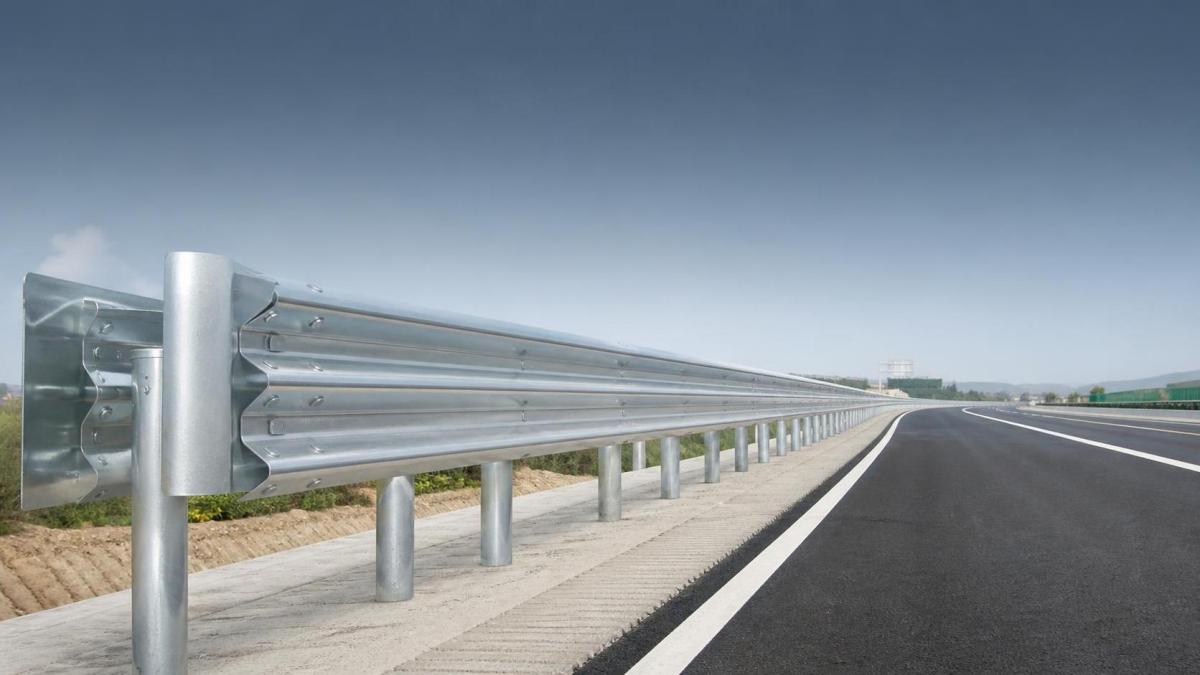
The beam profile is one of the first checkpoints. W-beam and thrie-beam are the most common formats in many highway applications, but the selection depends on containment needs and project design. Beam length, section shape, effective height above ground, and rail overlap direction are not minor details. They influence how the rail redirects a vehicle and how forces are transferred to the posts.
Post type matters just as much. Steel posts, blockouts, spacers, and connection hardware must work as one system, not as unrelated parts sourced by convenience. Even a small accessory, such as an Angle Bracket used in a related structural connection, has to be dimensionally consistent with the drawing and load path. On-site mismatches create delays, but worse, they can compromise installation quality.
Material grade and corrosion protection are not secondary issues
A guardrail system spends years outdoors with constant exposure to rain, road spray, UV, temperature shifts, and, in some regions, de-icing salts. So the steel substrate and the protective finish deserve the same attention as the rail shape.
For many projects, galvanized steel is the default because it balances structural performance and corrosion resistance. In harsher environments, buyers may also review painting or duplex protection depending on local requirements and maintenance expectations. The right choice usually depends on the project location, expected service life, and owner preference. It is risky to assume that one coating solution fits every road environment.
Manufacturing quality is closely tied to corrosion performance. Drilling, bending, rust removal, shot peening, non-destructive testing, galvanizing, and painting all influence the final product. If holes are inaccurate, if edges are poorly prepared, or if coating coverage is uneven, problems may not appear immediately, but they often show up later in installation difficulty or premature deterioration.
Why standards and drawings must be read together
One common mistake in guardrail procurement is treating the standard as if it replaces the project drawing. It does not. Standards generally define performance expectations, material criteria, or dimensional ranges, while project drawings define the specific configuration required for that site.
This is especially important on projects involving transitions, curves, bridge connections, or non-standard post spacing. A supplier may be fully capable of manufacturing to plan or to customer drawings, but the technical input still needs to be complete. Missing dimensions, unclear hole locations, and unspecified finishes are among the most frequent reasons for back-and-forth during fabrication.
In practical terms, buyers should confirm at least these points before production starts:
- Beam type and required section dimensions
- Steel grade or equivalent material requirement
- Coating system and any local corrosion protection requirement
- Post length, shape, spacing, and embedment assumptions
- Hardware details, including bolts, washers, and brackets
- Inspection, tolerance, and packaging expectations
Customization is normal in guardrail projects
Not every highway guardrail order is a catalog order. In fact, many transportation projects need custom fabrication because the alignment, mounting condition, or authority requirement is project-specific. This is where manufacturing capability becomes more important than a simple product list.
A supplier that can quote, design, manufacture, and support installation based on project requirements is usually easier to work with when the job includes varied components or phased delivery. Some buyers come with complete drawings and only need accurate manufacturing. Others need the fabrication team to work from a conceptual plan and convert it into production-ready details. Both situations are common.
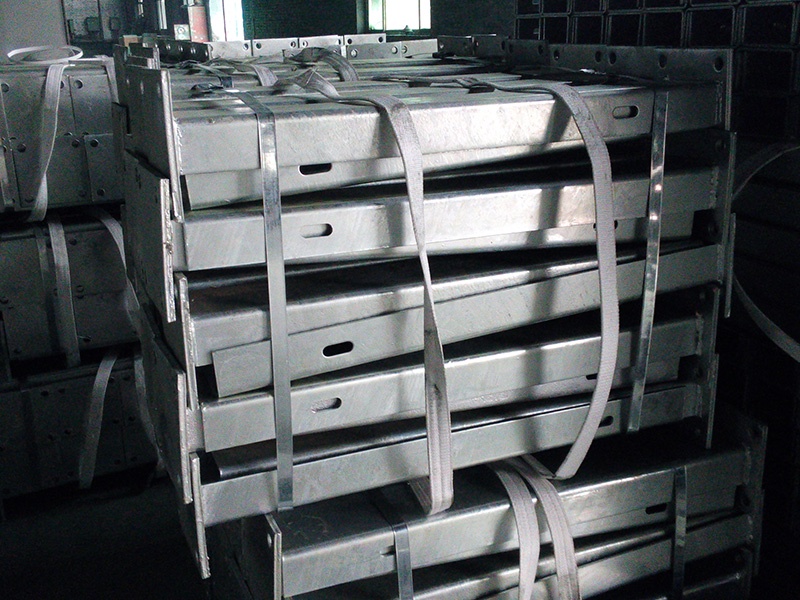
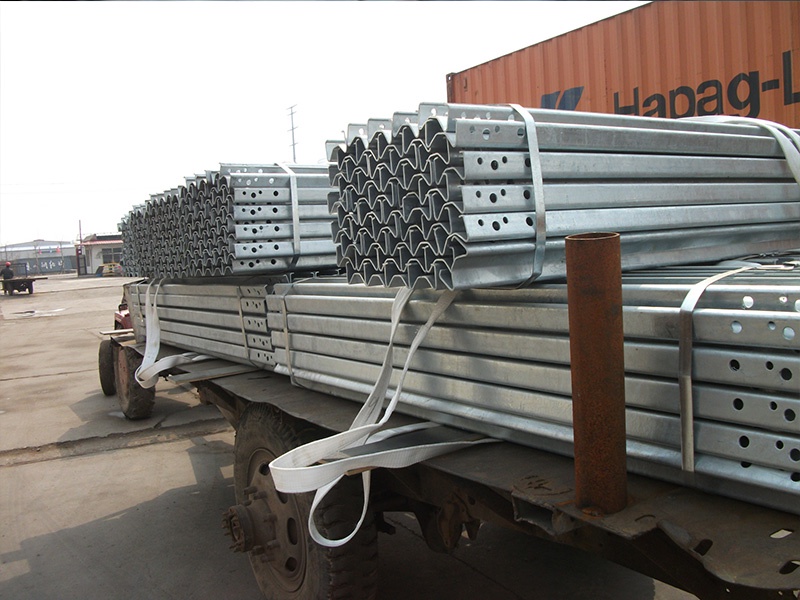
Customization also affects logistics. Guardrail systems are long steel products, often shipped in mixed bundles with posts and accessories. If the bill of materials is not carefully coordinated, site crews may discover that one missing connector or one wrongly punched beam holds up an entire installation section.
Where buyers often misjudge risk
Price comparisons can be misleading when they ignore specification depth. Two quotations may both say “highway guardrail,” yet differ in steel thickness, galvanizing requirement, fabrication precision, or included accessories. The lower price is not necessarily a problem, but it should trigger a closer review of what is actually included.
Another issue is over-focusing on beam supply while under-checking secondary parts. Posts, blockouts, terminal elements, and bracket assemblies affect installation speed and system integrity. A well-made rail cannot compensate for poorly matched hardware. On some projects, even a small connection component such as an Angle Bracket becomes critical if it interfaces with other steelwork or special mounting arrangements.
Lead time should be reviewed with the manufacturing sequence in mind. Processes such as drilling, bending, surface preparation, galvanizing, inspection, and painting each take time, and the order matters. Projects with custom drawings or multiple finishes usually need more coordination than standard stock items.
A practical way to evaluate a guardrail supplier
A useful evaluation starts with questions that sound simple but reveal whether the supplier understands transport infrastructure work. Can they manufacture directly from your drawings? Can they help check the manufacturability of a plan before production? How do they control hole positioning, bending accuracy, and surface treatment? What inspection steps are used before shipment? These are more telling than generic marketing claims.
It also helps to see whether the supplier can support the full chain rather than only one segment. For many highway projects, quotation, design coordination, fabrication, and installation planning are closely linked. When those steps are disconnected, specification errors are more likely to survive until site delivery.
Choosing the right specification means fewer surprises later
The best guardrail specification is not the most complex one. It is the one that clearly matches the roadway condition, safety requirement, and delivery reality of the project. That means checking the rail system as a whole: profile, material, coating, hardware, fabrication process, and installation compatibility.
If project documents are still being finalized, it is usually worth confirming the drawings, coating requirements, accessory list, and any local standard references before placing the order. A few technical clarifications early on can prevent rework, site delays, and unnecessary replacement costs once the guardrail is already on the road.
Leave A Reply
Need More Details?
Contact me for details on creating and managing design projects, project features, and services and prices
consult
Our company was established in 1998. It‘s a Chinese pioneer enterprise integrating production and sales, committed to providing high-quality steel products to customers at home and abroad.

First class quality service and professional after-sales team.
Get in Touch
*We respect your confidentiality and all information are protected.